Choosing Garage Door Accessories for Maximum Performance
Most homeowners think about a garage door in broad terms: the door itself, the opener, maybe the remote clipped to the car visor. Performance, though, rarely comes from the largest component alone. It comes from the details, the supporting hardware and accessories that help the system move smoothly, seal tightly, respond reliably, and hold up under years of daily use. When those details are chosen well, a garage door feels quiet, balanced, and dependable. When they are chosen poorly, even a good door can become noisy, sluggish, drafty, or frustrating.
That difference shows up quickly in the field. A well-insulated sectional door paired with flimsy rollers and a poor bottom seal will still rattle, leak air, and wear prematurely. A basic steel door fitted with the right accessories can outperform expectations for years. That is why selecting Garage Door Accessories deserves more attention than it usually gets.
The best choices depend on how the garage is actually used. A detached garage storing lawn equipment has different demands than an attached garage under a bedroom. A workshop where the door cycles ten or twelve times a day needs different hardware than a vacation home that sits idle for weeks. Coastal humidity, winter freeze-thaw cycles, dust, pets, power outages, and family driving habits all influence what counts as “maximum performance.”
Performance starts with the moving parts
If you want a garage door to run better, start with the components that absorb friction and carry load. These are not glamorous upgrades, but they are often the ones that make the clearest difference.
Rollers are a good example. Many builder-grade doors come with basic steel rollers that do the job, but they transmit more noise and tend to wear tracks faster if maintenance is neglected. Swapping to high-quality nylon rollers with sealed bearings often produces an immediate improvement. The sound level drops, motion smooths out, and the opener works with less strain. In attached garages, especially those with living space above or beside the door, that noise reduction is not a small comfort issue. It changes how the whole system feels.
Hinges matter too. Thin, light-duty hinges can flex more than people expect, particularly on larger double doors. Over time that slight movement affects alignment. Heavier-gauge hinges offer better stability, and in high-cycle situations they are worth the modest added cost. The key is matching hinge quality to door size, weight, and usage. Overspending on commercial-grade hardware for a lightly used single door may not buy much. Underbuying on a wide insulated door usually does.
Then there is the issue of springs, which sit in a category of their own. Torsion springs are not exactly accessories in the casual sense, but they are central to performance. Properly sized springs reduce opener workload and help the door stay balanced throughout its travel. An opener should guide the door, not wrestle it. When the spring setup is wrong, homeowners often blame the motor first. In reality, the operator may be compensating for an unbalanced system. Spring work is not a DIY area for most people due to the stored energy involved, but it is one of the first things a competent technician checks when a door seems “weak” or inconsistent.
Weather seals do more than block drafts
One of the most overlooked Garage Door Accessories is the weather sealing package. People usually notice it only when leaves blow in, rain creeps under the bottom panel, or cold air reaches the laundry room through the shared wall. Yet sealing affects more than comfort. It influences moisture control, pest resistance, and even how hard the door has to work against debris buildup and water intrusion.
The bottom seal takes the most abuse. It compresses against concrete that may not be perfectly level, and over time it hardens, cracks, or tears. Replacing a tired seal is often one of the fastest, cheapest ways to improve the feel of a garage. If the floor has a slight crown or dip, a more flexible bulb-style seal may perform better than a simple flat profile. In colder climates, material quality matters because some cheap vinyl seals become brittle and lose elasticity.
Side and top weatherstripping deserve equal attention. Gaps around the perimeter can let in wind-driven rain, dust, and insects even if the bottom edge is tight. On older homes, framing irregularities often mean the seal has to accommodate slight waves or shifting. A stiffer strip is not always better. Sometimes a more forgiving material creates a more consistent seal along imperfect jambs.
Threshold seals can also help, especially when the slab slopes outward or the area sees frequent blown rain. They are not ideal in every setting. If a homeowner regularly rolls heavy tool chests or motorcycles across the opening, the raised profile can become a nuisance. But where water intrusion is a recurring problem, a threshold combined with a good bottom seal can make a dramatic difference.
Smart controls are useful, but only when they solve a real problem
Connected accessories have changed how many people use their garage doors. Remote monitoring, smartphone control, and activity alerts are now common, and in the right household they add real value. The mistake is treating every smart feature as a performance upgrade.
If a family routinely forgets whether the garage door was closed, status alerts and remote closing access provide obvious peace of mind. If deliveries are frequently left in the garage, integrated keypad and app permissions can improve convenience and reduce porch theft risk. For rental properties, temporary digital access codes are often cleaner than managing physical remotes.
What smart controls do not fix is poor mechanical performance. A loud, jerky, poorly balanced door does not become better because it can send a notification to a phone. In fact, adding connectivity to a neglected system sometimes highlights the mechanical issues because the door gets used more often and monitored more closely.
There is also a practical point about compatibility. Not every opener works seamlessly with every accessory ecosystem. Before buying add-on modules, keypads, cameras, or vehicle integration kits, it helps to confirm whether the opener’s logic board, security protocol, and age support them. I have seen homeowners buy a stack of smart add-ons on sale, only to discover that their fifteen-year-old opener needs a bridge device or full replacement to make the setup work properly.
For many homes, the best smart accessory is not the most advanced one. It is the one that works every time without forcing the user into a finicky app or complicated setup.
Battery backup and surge protection earn their keep quietly
Garage Door AccessoriesPerformance is often judged during normal operation, but true system quality shows itself during disruptions. That is where power-related accessories matter.
Battery backup has become far more valuable as garages take on larger roles in daily entry and storage. In many homes, the garage is not secondary access. It is the main way in and out. During an outage, the inconvenience of losing the opener quickly becomes a safety and security issue, especially for families with children, older adults, or mobility concerns. A battery backup unit that supports several open-close cycles can turn a power failure from a problem into a minor interruption.
Surge protection is less visible, but just as sensible. Modern openers rely on circuit boards and connected components that are more sensitive than old mechanical systems. A surge protector, whether integrated or added at the outlet where appropriate, can help reduce the chance of electronic damage. It is not a guarantee against every lightning event or wiring issue, but it is inexpensive insurance compared with the cost of replacing a control board or opener.
These are the kinds of Garage Door Accessories people forget until the day they need them. Then they become the most important parts of the entire system.
Security accessories should match your real exposure
Security is easy to oversimplify. People tend to think in terms of locks alone, but garage door security is broader than that. It includes access control, visibility, manual override vulnerability, and the habits of the people using the system.
For detached garages that store tools, bikes, or recreational gear, a reinforced slide lock or vacation lock can make Garage Door Accessories sense if the door will be unattended for long periods. For attached garages, encrypted remotes and rolling-code technology matter more because unauthorized access affects the home directly. Exterior keypads are convenient, but they should be chosen with weather resistance and secure code management in mind. A keypad mounted in direct sun or driven rain will often fail earlier than one installed in a more protected position.
Lighting is another accessory that affects security and function at the same time. Motion-activated lighting near the garage opening helps drivers, deters casual trespass, and improves camera visibility if you use one. Integrated opener lights are useful, but they are not always enough to illuminate a dark driveway or side entry.
Cameras can help, but they are not universal wins. In some garages, dust, heat, and poor Wi-Fi placement make built-in camera features less reliable than a standalone outdoor unit aimed at the approach. Here again, performance comes from the system fit, not the marketing label.
Noise control deserves more respect
A noisy garage door is often dismissed as an annoyance, but noise is usually a symptom. It tells you something about vibration, alignment, friction, or hardware quality. The right accessories can reduce sound significantly, especially in homes where bedrooms sit over the garage.
Belt-drive openers are part of that equation, but not the whole story. If the door panels chatter because the hinges are loose, the rollers are worn, or the tracks are slightly out, a quieter drive system can only do so much. Nylon rollers, vibration-isolating mounting hardware, and properly adjusted track supports usually make a bigger difference than people expect.
Insulation can affect acoustics too. An insulated steel door often sounds less tinny than a hollow one because the panel structure is more rigid and damped. If a homeowner is choosing between a flashy smart upgrade and a set of quality rollers plus fresh weather seals, the quieter, smoother result often comes from the latter.
I remember one attached-garage job where the owners were convinced they needed a new opener because the noise woke their toddler every morning. The existing opener was not perfect, but it was serviceable. The bigger problem was a mix of cheap steel rollers, a hardened bottom seal that slapped the slab, and loose hardware transmitting vibration into the framing. After replacing the rollers, tightening and tuning the door, and fitting better seals, the change was dramatic. The opener stayed.
Matching accessories to climate and environment
Climate changes the rules. Accessories that last well in a dry inland area may degrade quickly near the coast. Metal components corrode faster in salty air. Rubber compounds age differently in extreme heat. In snowy regions, bottom seals encounter ice, grit, and repeated compression against wet concrete.
This is where material choice matters more than brand loyalty. Stainless or corrosion-resistant hardware can be worth the premium in humid and coastal settings. Heavier-duty perimeter seals hold up better where wind and temperature swings are severe. If the garage doubles as a workspace in winter, insulation kits and sealing upgrades may provide more benefit per dollar than decorative accessories or extra remotes.
Dusty environments have their own challenges. Fine dust can work into tracks, rollers, and photo-eye housings, especially in semi-rural areas or near unpaved roads. Accessories that reduce maintenance burden, such as sealed-bearing rollers and well-protected sensors, tend to pay off there.
What to evaluate before you buy
The smartest accessory purchase usually begins with a quick performance audit. Before choosing upgrades, look at how the door behaves now, where it struggles, and what kind of use it gets.
- Watch the door complete a full open and close cycle, listening for grinding, rattling, hesitation, or hard impact at the floor.
- Check for visible gaps at the sides, top, and bottom when the door is closed, especially in daylight.
- Consider usage frequency, whether the garage is a main entrance, a workshop, or mostly storage.
- Note environmental conditions such as moisture, salt air, extreme cold, heat, dust, or uneven concrete.
- Confirm opener age and compatibility before buying connected or electronic accessories.
This small assessment often prevents wasted money. It shifts the conversation from “What accessories are popular?” to “What is holding this particular door back?”
Some upgrades have better returns than others
Homeowners often ask which Garage Door Accessories give the most noticeable improvement. The answer depends on the starting condition, but certain upgrades consistently punch above their weight.
High-quality rollers usually rank near the top because they affect noise, smoothness, and wear all at once. Fresh weather seals are another strong value because they improve comfort, cleanliness, and resistance to water and pests. A battery backup can be indispensable in homes that depend on the garage for daily access. A keypad is simple, but for active families it often gets used more than expected, especially by kids, walkers, or anyone who does not always carry a remote.
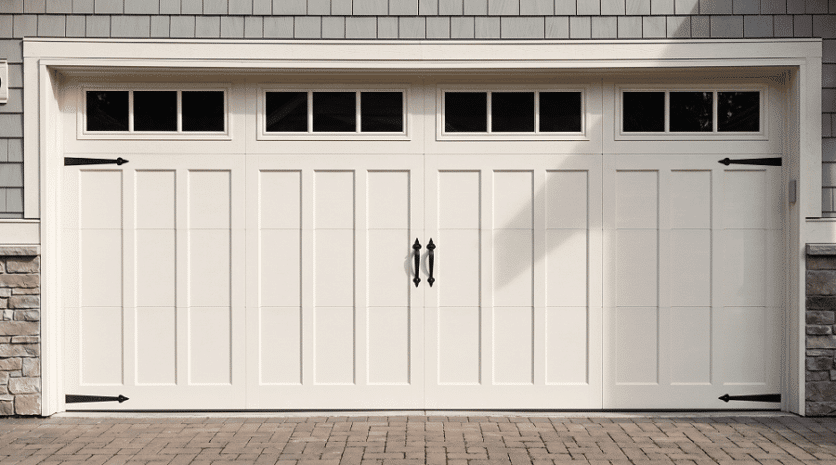
Decorative hardware, by contrast, should be treated honestly. It can improve curb appeal, and there is nothing wrong with that, but it will not increase operating performance. If a budget is limited, it makes sense to solve functional weaknesses first.
The same goes for over-accessorizing. I have seen garages with multiple remotes, smart hubs, integrated cameras, laser parking aids, and fancy lighting, while the bottom seal drags and the door is half an inch out of alignment. The setup looks impressive until winter arrives or the opener starts straining.
Common mistakes that reduce performance
Even good accessories can disappoint when they are chosen for the wrong reasons or installed without enough thought.
- Buying for features before fixing balance, alignment, or worn hardware.
- Choosing the cheapest seal materials in climates that are hard on rubber and vinyl.
- Adding smart accessories without checking opener compatibility or Wi-Fi reliability.
- Ignoring noise as a symptom and treating it as a purely cosmetic issue.
- Mixing heavy-duty and light-duty components in ways that create uneven wear.
These mistakes are common because garage doors seem simple from the outside. In practice, they are systems. The parts interact. One weak link changes how the others perform.
Installation quality often matters as much as the accessory itself
It is tempting to compare products by feature sheet alone, but installation has enormous influence on results. A premium weather seal installed on a warped stop molding may still leak. Top-tier rollers in bent tracks will not roll quietly for long. A smart keypad mounted where rain pools behind the housing is being asked to fail.
This is where experience helps. A seasoned installer or technician does more than swap parts. They look at spring tension, travel limits, track spacing, panel condition, sensor alignment, and opener force settings as part of the whole job. Sometimes the best accessory recommendation is actually a tune-up, because the existing components can perform better after proper adjustment.
That does not mean every project requires a service call. Many homeowners can handle simple upgrades like replacing remotes, adding a keypad, or refreshing accessible weatherstripping. The key is knowing where the line is. Anything involving torsion springs, major track adjustments, or opener force calibration should be approached carefully and, in many cases, professionally.
The best setup feels effortless
Maximum performance is not about loading a garage door with every available add-on. It is about creating a system that suits the space, the climate, and the people using it. The right Garage Door Accessories reduce friction in both the mechanical sense and the daily-life sense. The door opens smoothly, closes tightly, responds when it should, stays quiet, and keeps working when conditions are less than ideal.
If you are deciding where to invest, start with the accessories that support motion, sealing, and reliability. Rollers, hinges, weatherstripping, battery backup, and practical access controls usually matter more than flashy extras. After those basics are handled, smart features and convenience upgrades can make a good system better.
When a garage door performs at a high level, it rarely draws attention to itself. That is the point. It does its work cleanly, day after day, because the small pieces were chosen with care.
Select Garage Doors
11479 Pine Dr, Parker, CO 80134, United States
+1 303-228-0018
FAQ About Garage Door Accessories
What are garage door parts called?
Common door components include panels, hinges, rollers, tracks, springs, cables, and weather seals. The opener is a separate operating system, with accessories such as remotes, keypads, and compatible smart controls. Identify the door and opener model before choosing a part; springs, cables, and other loaded components should be assessed and serviced by a trained garage door technician.
What garage door supplies do I need?
The right supplies depend on the problem or upgrade you want to address. Common accessories include replacement remotes, wireless keypads, weather seals, decorative handles and hinges, and compatible smart controls. Check model compatibility and the manufacturer's instructions before buying. A technician can inspect the system and recommend suitable accessories without replacing otherwise serviceable equipment.
Where can I find garage door accessories in Parker?
Select Garage Doors supplies and installs garage door accessories for Parker homeowners. Contact the company with your opener brand and model, door details, and the upgrade you want so it can confirm compatibility, availability, pricing, and installation requirements. Confirm collection or appointment arrangements before visiting.